
Wildcrafted vs Pool-Grown Sea Moss: How to Tell if Sea Moss Is Real
Buyers in the United States increasingly ask a practical question: how does wildcrafted (ocean-grown) sea moss compare to controlled pool or tank cultivation in terms of quality, nutrient profile, and overall value? Many consumers searching for “real sea moss vs fake sea moss” are essentially trying to understand the difference between naturally ocean-grown sea moss and varieties produced in controlled environments.
This guide explains how to compare wildcrafted and pool-grown sea moss by examining sourcing, species, texture, gel performance, and overall quality. The goal is to help you judge authenticity and safety so you can choose the right sea moss product without relying solely on marketing claims.

This guide stays neutral and practical. It explains why some buyers call certain pool-grown products “fake” when they are mislabeled or adulterated, while also noting that responsibly managed pool systems can produce safe, consistent sea moss.You’ll find clear definitions, side-by-side quality checks, a buyer’s checklist, guidance tied to health goals and budget, and actionable tips to spot low-quality or misleadingly labeled products.
Note: regions like St Lucia are commonly cited for ocean-harvested sea moss—see the sourcing section for guidance on verifying regional claims. Use the buyer’s checklist below before adding a product to your cart.
Key Takeaways
- Verify sourcing claims—confirm whether a product is wildcrafted, ocean-farmed, or pool-grown and check the species name to judge authenticity and expected performance.
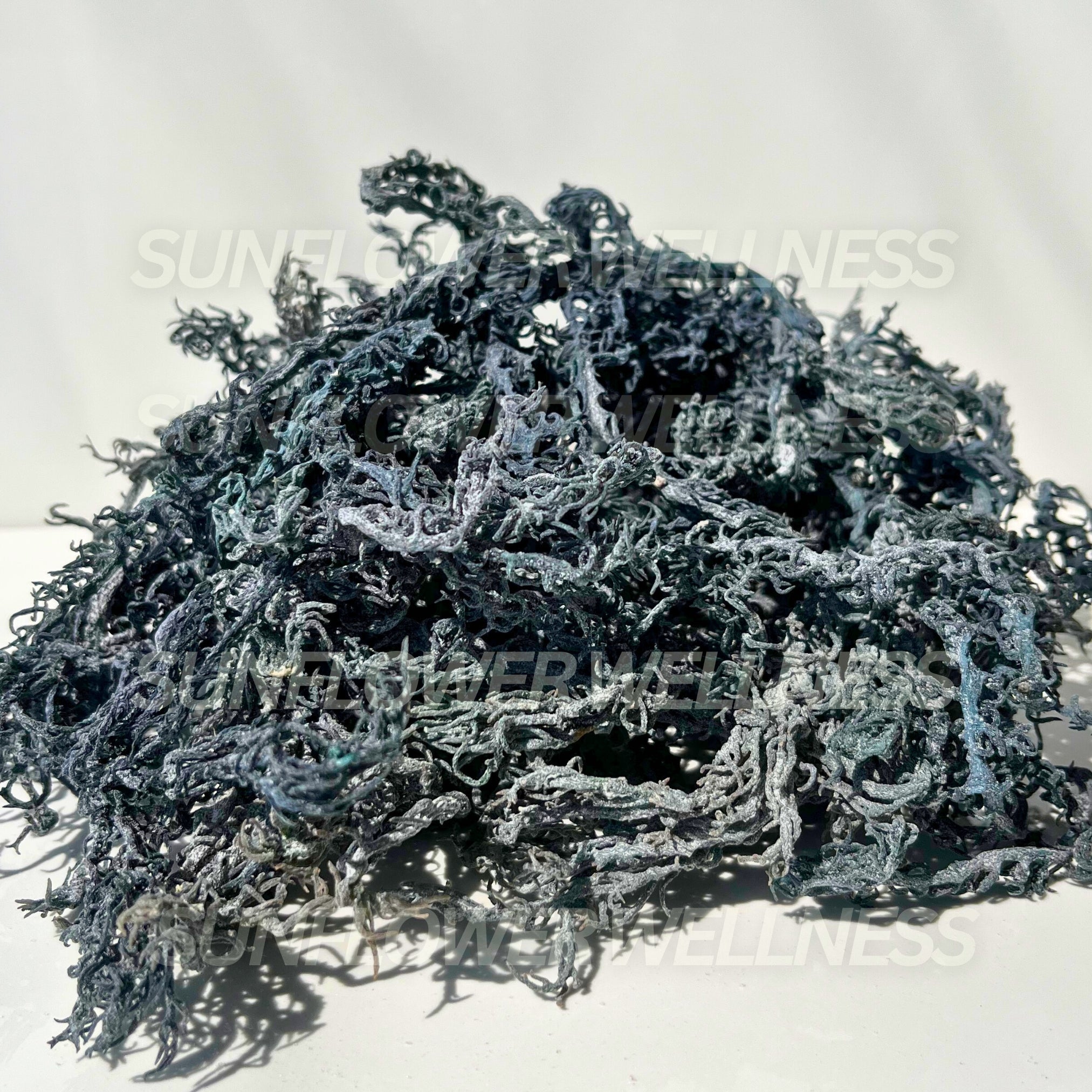
- Look for measurable differences, not just photos—darker, tangled strands and light sand can indicate ocean-grown origin, but treat visual cues as indicators, not proof.
- Prioritize transparency: choose brands that clearly explain their sourcing, harvesting method, and quality standards.
- Match the product to your priorities—wildcrafted often favors variable mineral profiles for traditional gel; pool-grown may offer consistency and lower cost.
- Use the buyer’s checklist (see the buyer’s checklist anchor below) to compare products against your health goals, recipe needs, and budget before adding to cart.
What “Wildcrafted” and “Pool-Grown” Sea Moss Really Mean
Understanding where your product comes from starts with clear definitions. Below are practical, search-friendly explanations to help buyers distinguish methods, spot vague marketing, and know which product details to look for on a product page.
Wildcrafted Sea Moss
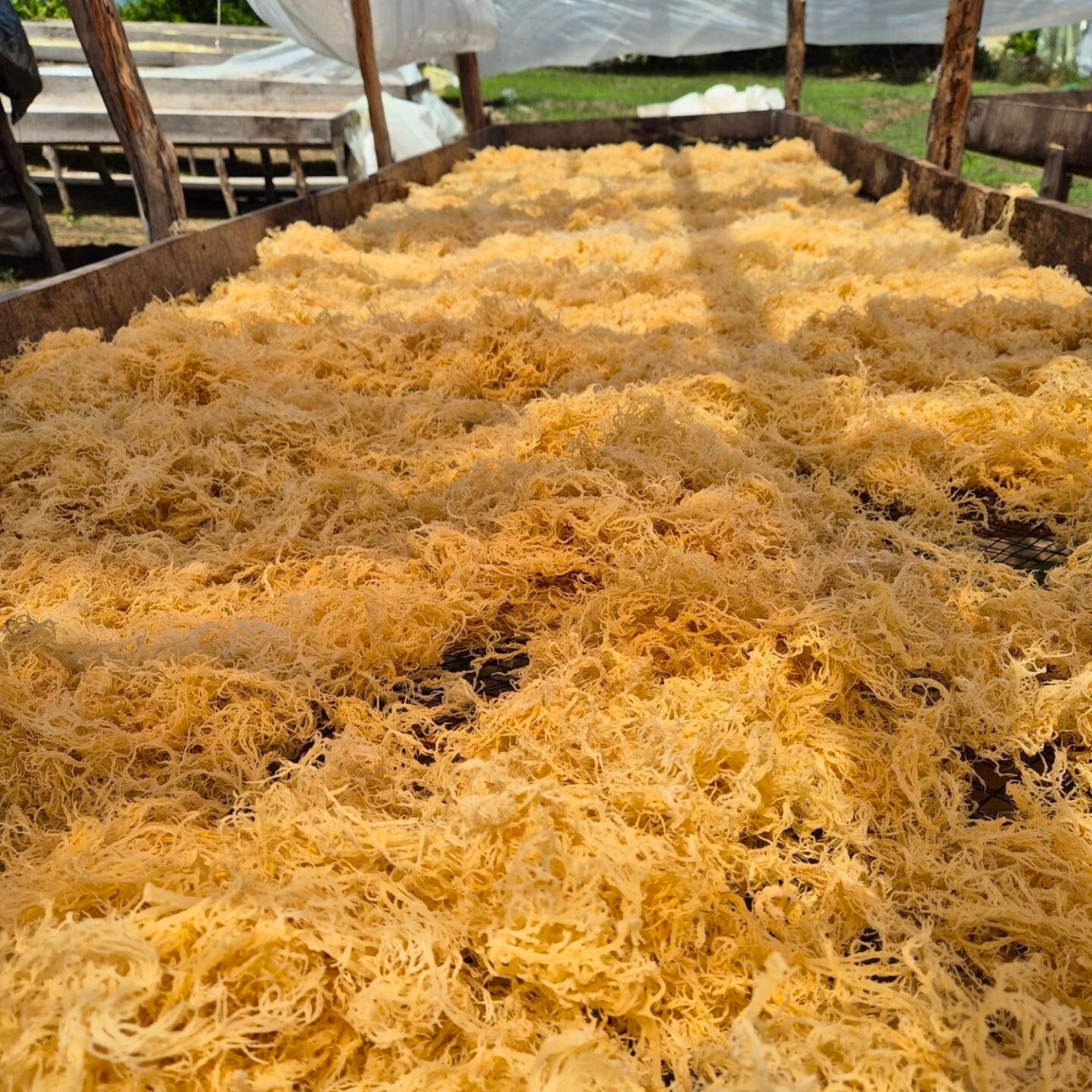
Wildcrafted sea moss (also called wild-harvested or ocean-grown) is gathered where it naturally grows on rocks, reefs, or inshore structures along coastlines, with no human control over light, nutrients, or temperature.
Collectors commonly work along Atlantic shorelines in North America, Europe, and the Caribbean. Regions like St. Lucia are often associated with ocean-harvested sea moss, but buyers should still look for clear sourcing details. A strong product page should clearly show the harvest region and species name, not just marketing language.
Quick micro-check before you buy: note the stated harvest method (rock-harvested vs rope/rack ocean-farmed) and the scientific species name shown on the listing—those two items tell you a lot about expected texture and gel behavior.
How to Tell if Sea Moss Is Real or Fake
Searches for “real sea moss vs fake sea moss” reflect a common buyer concern: authenticity depends less on color and more on harvest method, documented origin, species, and brand transparency.
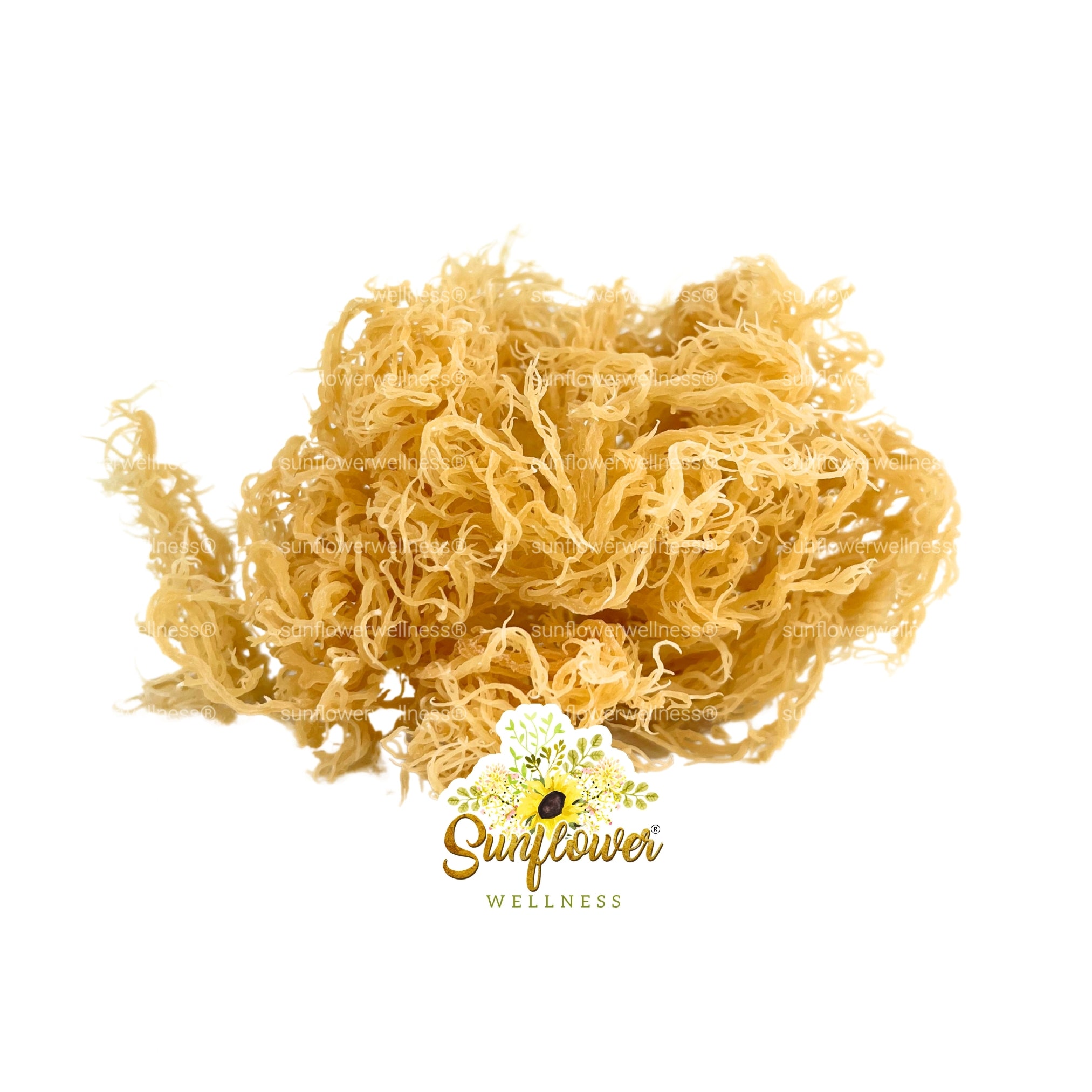
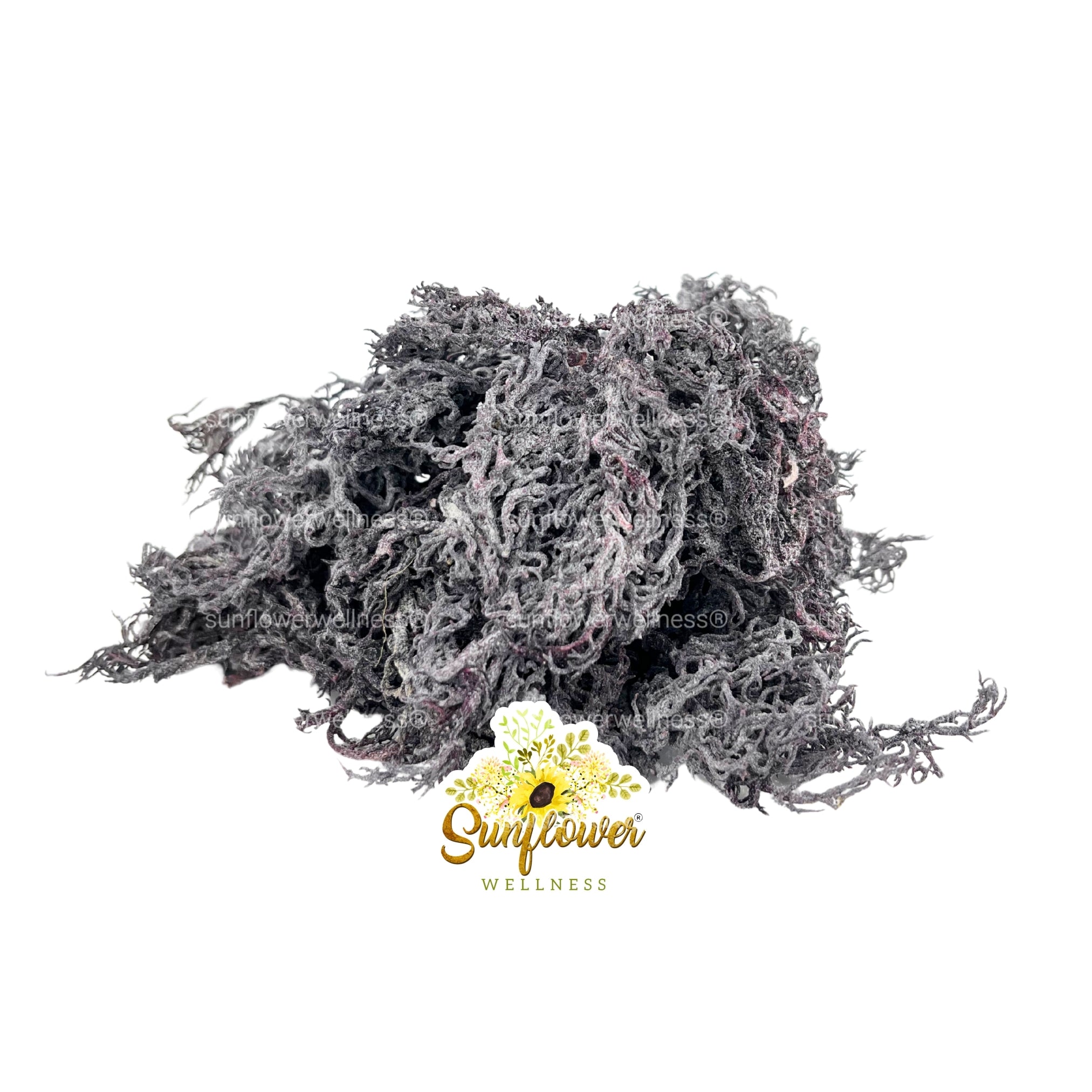
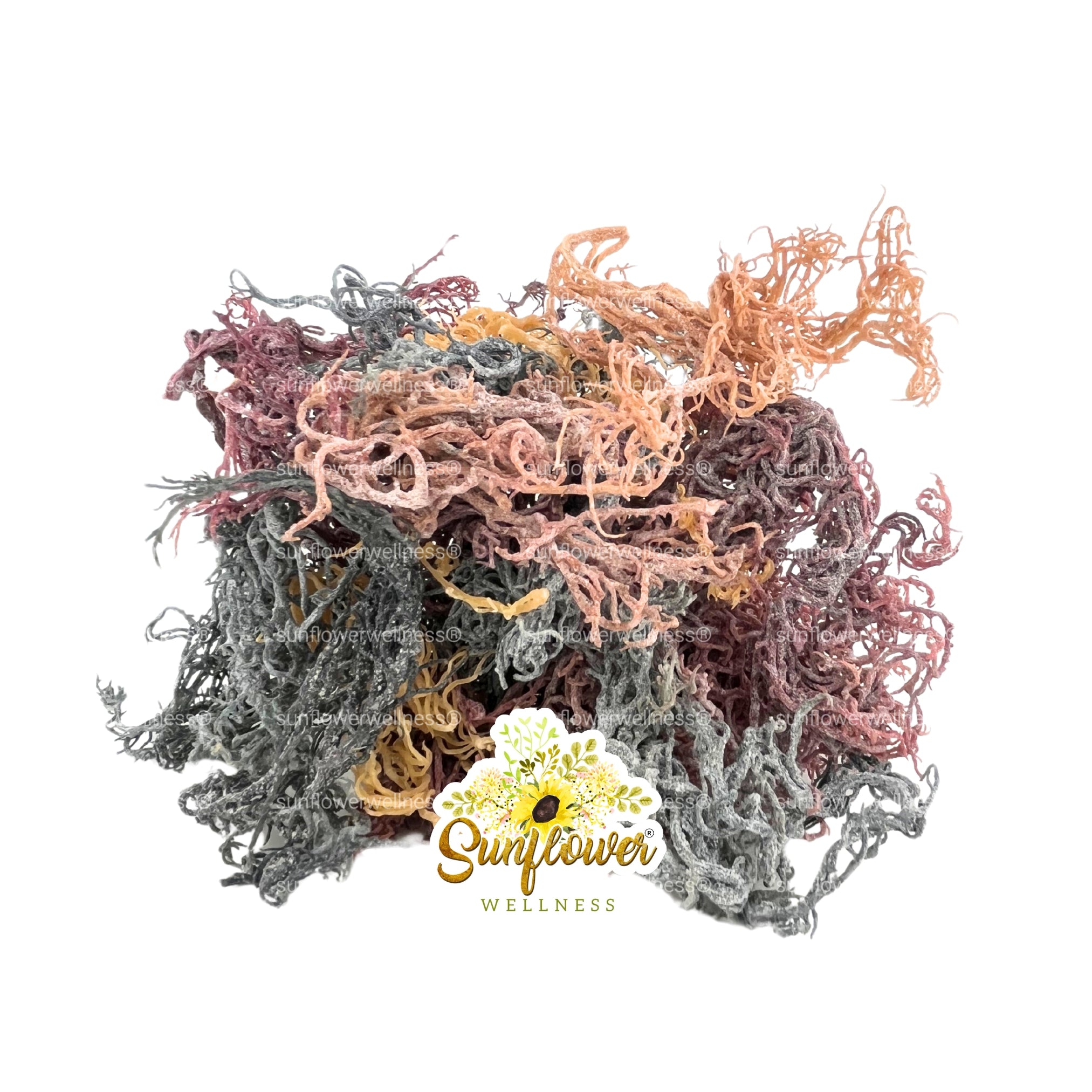
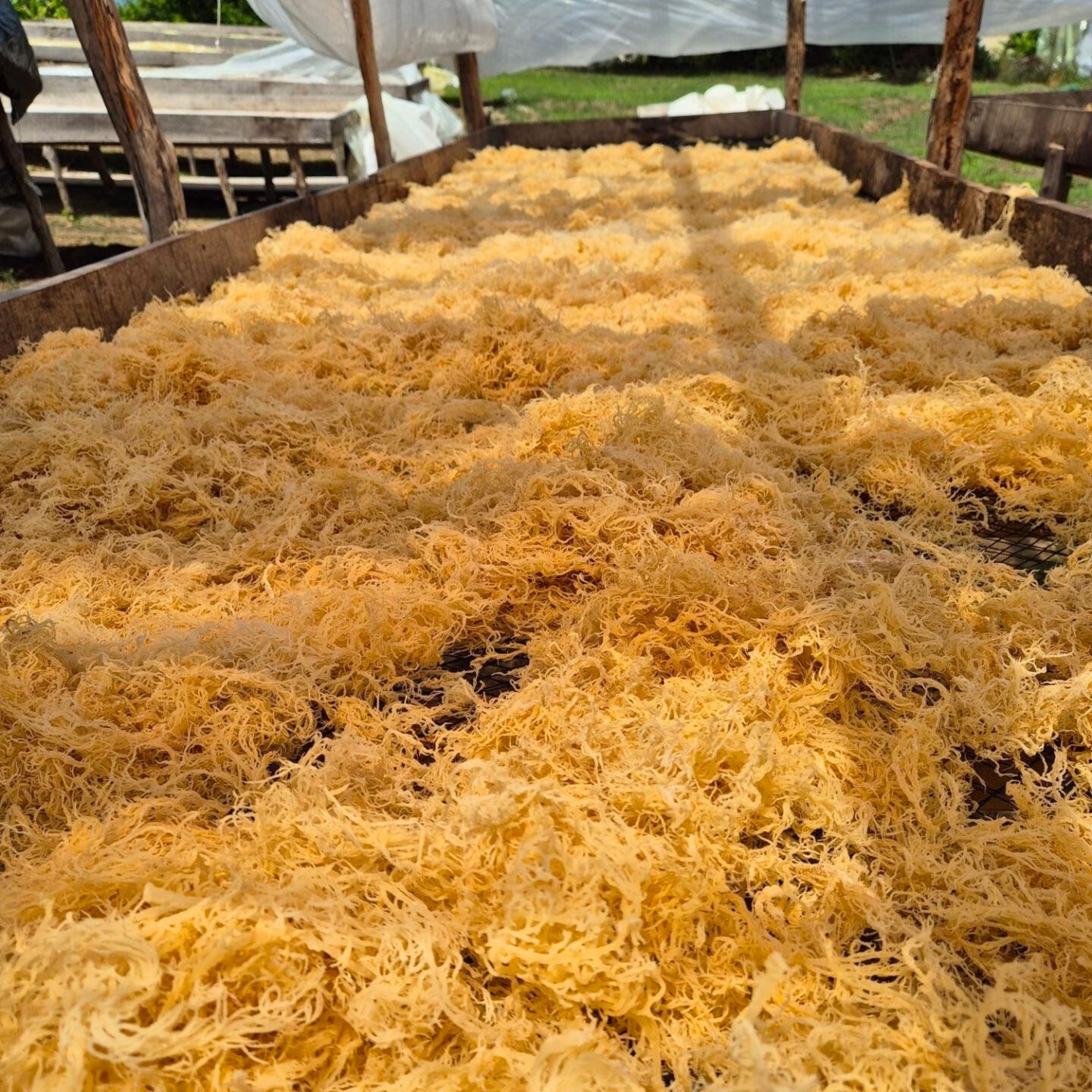
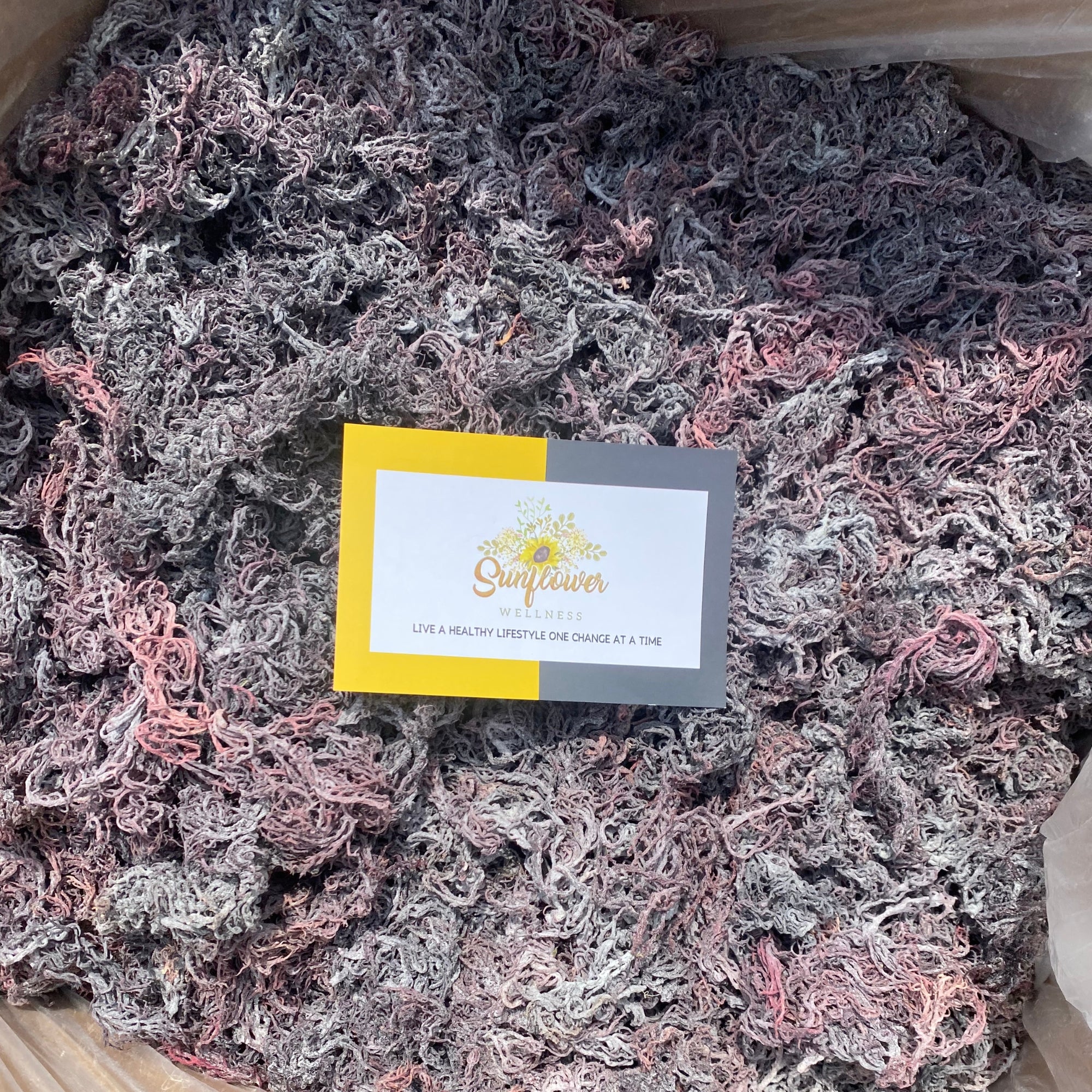
Authentic ocean-harvested sea moss often has irregular shapes, darker golden or brown tones, and occasional traces of natural sea salt or fine sand. Pool-grown or heavily processed sea moss can appear very pale and uniform; that look can indicate controlled cultivation or extra processing, though pool-grown sea moss is not automatically inferior.
Here are the main things to look for when checking whether sea moss is real or misleadingly labeled:
- Origin — country and harvest region (batch or GPS details are ideal)
- Harvesting method — rock-harvested, rope/rack ocean-farmed, or pool/tank-grown
- Species name — scientific name (e.g., Gracilaria sp., Chondrus crispus, Eucheuma Cottonii ) so you can match expectations for gel and nutrient profile
- Quality testing — reputable brands often use third-party testing to check safety, purity, and overall quality.
When brands share clear sourcing details like species, harvest region, and harvest method, it becomes much easier to tell authentic sea moss from lower-quality or misleadingly labeled products.
Pool and tank cultivation
Pool-grown sea moss is produced in tanks, pools, or contained systems where growers control light, temperature, and nutrient inputs to speed growth and standardize output.
Those controlled conditions can improve yield, consistency, and cost predictability, but buyers should still look for transparency around how the sea moss is grown and processed.
Ocean-farmed vs wild-harvested
Ocean-farmed systems (anchored lines, ropes, or racks placed in open water) sit between wild collection and closed tanks. Ocean-farmed operations aim to mimic natural conditions while allowing some management of spacing and timing; many buyers find ocean-farmed material closer to wildcrafted quality than indoor tank-grown moss.
Labeling confusion is common: terms like "wild-harvested," "ocean-grown," or "harvested from the rocks" are sometimes used interchangeably with "wildcrafted," and product listings may mix common and scientific species names. Focus first on species, origin, and harvest method rather than a single label.
"If a company cannot state origin, species, and method, treat that as a red flag."
- Rule of thumb: check the origin, species, and harvest method before buying.
- Different environments (natural sea, ocean-farmed racks, or pools) change minerals, salt, texture, and gel behavior — these differences affect nutrient claims and culinary performance.
| Method | Control | Typical outcome |
| Wildcrafted / Wild-harvested | None | Variable minerals and texture; reflects local sea environment |
| Ocean-farmed (in-sea racks/lines) | Low | More consistent than wild; closer to natural sea quality |
| Pool-grown (tanks/pools) | High | Uniform size, faster growth; documentation on inputs and independent testing recommended |
Wildcrafted Sea Moss vs. Pool-Grown Sea Moss: Key Differences That Affect Quality
Quality differences show up in the jar, in the kitchen, and on the product page—here’s a buyer-focused comparison of how wildcrafted (ocean-grown or wild-harvested) and pool-grown sea moss differ in measurable ways that affect nutrients, gel performance, and overall product quality.

Minerals and nutrients
Open-ocean exposure often gives wildcrafted sea moss a broader, more variable mineral mix because the plants interact with seawater, sediments, and currents. Marketing claims about “dozens of minerals” are common, but buyers should focus on sourcing transparency and overall product quality rather than hype.
- Buyer check: look for brands that provide clear information about quality, sourcing, and how the sea moss is handled.
Texture, thickness, and mucilage
Sea moss from the natural sea often has thinner, more tangled, mesh-like strands and tends to produce more visible mucilage—a key factor for a slippery, jelly-like moss gel. Pool-grown batches typically show thicker, more uniform, noodle-like strands that can change processing behavior and mouthfeel. Species differences (for example, Gracilaria vs. Chondrus) significantly affect texture, so strand shape is only one clue.
- Buyer check: Compare close-up photos of strands on the product page and read customer notes about mucilage or gel mouthfeel.
Gel results
In kitchen tests, many ocean-harvested samples form a slippery, jelly-like sea moss gel that blends smoothly into smoothies and recipes. Pool-grown sea moss can yield a firmer or slightly gummy gel depending on species, growth conditions, and drying/processing—these differences affect culinary uses and perceived benefits.
- Buyer check: If gel texture matters, read reviews describing “slippery” vs “gummy” results and follow any sample prep tips provided. Try a small home gel test: rinse, soak 4–12 hours, then blend with fresh water (rough ratio 1 cup soaked moss : 2–3 cups water), chill and observe texture.
Residues, processing, and sustainability
Some tank or pool systems may use growth aids or additives; brand transparency and independent testing help separate genuine moss from low-quality or fake sea moss. Wild collection generally uses less industrial water and energy per unit but can have variable supply and potential local ecological impacts if unmanaged. Pool cultivation offers consistent output but may require more controlled inputs and energy—review disclosed practices rather than assuming environmental benefit.
- Buyer check: Look for disclosed growth conditions, sustainability notes (harvest quotas or community agreements), and ingredient lists. Watch for adulterants or fillers (cellulose, starches, thickeners) and prioritize brands that perform independent testing when you suspect additives.
"If a brand cannot clearly explain origin, species, and harvest method, treat that as a transparency red flag."
| Feature | Open ocean | Pool-grown |
| Typical minerals | Variable, often broader profile (depends on environment) | Consistent but depends on inputs and water chemistry |
| Salt type | Natural sea salt residue unless rinsed | May include added/table salt or brine |
| Texture | Thin, tangled, spongy mesh; more mucilage | Thicker, uniform, noodle-like strands |
| Gel outcome | Jelly-like, slippery (preferred for many recipes) | Can be gummy or dense depending on processing |
| Environment impact | Lower industrial water/energy per unit; variable supply and ecological concerns if overharvested | Higher water/energy use possible; consistent output if managed responsibly |
How to Tell if Sea Moss Is Wildcrafted or Pool-Grown Before Buying
Small clues in color, strand shape, and packaging reveal more than marketing language. Use the short, practical checklist below to evaluate products from photos and labels, then confirm with a simple hands-on soak test when a sample arrives.

Color cues
Look: darker golden, tan, or brownish tones often indicate natural sea or ocean-farmed origin; very pale yellow or off-white can suggest tank processing, bleaching, or heavy washing. Color is a helpful indicator but not definitive.
Structure and size cues
Thin, tangled, irregular strands usually point to a varied, open-water harvest (wildcrafted or ocean-farmed). Uniform, thicker, noodle-like strands often come from controlled pool systems or selective cultivation — remember species differences also affect strand shape.
Salt, sand, smell, and moisture
Light sand or natural sea salt residue can support an ocean-harvested source; heavy surface salt without grit may suggest added brine. Smell: a mild ocean aroma is normal—sharp chemical scents are a red flag. Dried product should feel fully dry; lingering dampness can indicate poor drying or storage.
Soak test (rinsing + timing)
Rinse a small portion briefly, then soak in clean, cool water (50–70°F / 10–21°C) for 4–12 hours. If it softens and expands into a slippery, jelly-like moss gel with clear mucilage, it behaves like many ocean-collected samples. If it stays stiff, turns gummy, or rehydrates unusually fast without mucilage, that can indicate a different species, heavy processing, or potential adulteration.
"No single cue proves origin; combine appearance, scent, traceability, and independent testing for the most reliable read."
| Cue | Typical ocean-harvested | Typical pool-grown |
| Color | Golden, tan, sometimes darker | Pale yellow, off-white, beige |
| Strand shape | Thin, tangled, irregular | Thicker, uniform, noodle-like |
| Salt & grit | Light residue, possible sand | Heavy surface salt, usually no sand |
| After soak | Slippery, jelly-like (good for sea moss gel) | Stiff or gummy (less ideal gel) |
Quick buyer checklist (on the product page):
- Check label for "wildcrafted," "ocean-farmed," or "pool-grown" and the listed species; look for the scientific name to match gel and nutrient expectations.
- Look for origin details (region or country) and batch info—regions like St Lucia are often cited for ocean-grown sea moss; verify regional claims via traceability notes on the page.
- Look for signs of transparency, such as sourcing details, species identification, and clear quality information.
Watch for fake sea / fake sea moss signs
Common adulterants and red flags: unusually uniform color across bags, a chemical or bleach-like smell, rapid rehydration without mucilage, or ingredient lists that include fillers or thickeners (cellulose, starches, gums). If a listing claims "natural" but omits species, origin, or testing summaries, treat that as suspicious.
Choosing the Best Option for Health Goals, Budget, and Values
Picking the right sea moss product is about trade-offs: nutrient density, consistency, cost, transparency, and environmental impact. Use the scenarios below and the suggested questions to match wildcrafted sea moss, ocean-farmed, or pool-grown sea moss to your priorities.
When nutrient-focused shoppers may prefer ocean-harvested
Natural harvests (wildcrafted or ocean-farmed) appeal to buyers seeking a broader, more variable mineral profile tied to the local sea environment. If you want traditional culinary gel and a wider mineral mix, ocean-harvested moss can be a better fit—provided the brand shows traceability and summarizes third-party test results. Expect seasonal price and supply variation.
When controlled cultivation can make sense
Pool-grown sea moss or tank-grown products suit shoppers who need consistent texture, steady supply, and predictable appearance. When companies publish independent testing and disclose cultivation inputs, pool-grown sea moss can offer reliable quality and lower cost—still, prioritize transparency about growth conditions and testing summaries to avoid low-quality or misleading products.
Buyer personas (quick picks)
- Daily supplement user (consistency & cost): Consider pool-grown sea moss from companies that publish independent test summaries and batch details.
- Culinary user or nutrient seeker (gel & minerals): Prefer wildcrafted sea moss or ocean-farmed batches with traceable origin and a documented mineral profile.
- Environmentally focused buyer: Look for harvest quotas, local management, or ocean-farm practices that support ecosystem health and community livelihoods.
What to look for on the product page before adding to cart
- Where exactly is it harvested and what species is it? Look for the scientific species name and harvest region to match gel and nutrient expectations.
- Is the product listed as wildcrafted, ocean-farmed, or tank/pool-grown? Check whether the listing explains the harvest method.
- Does the brand clearly explain its sourcing, harvest method, and quality practices?
- Are growth conditions, inputs, and processing steps described (e.g., water source, fertilizers, drying method)?
- Does the brand share anything about sustainability or harvesting practices?
"If a seller cannot show origin, species, and testing summaries, treat that as a transparency red flag."
| Priority | Best fit | What to verify | Buyer tip |
| Nutrient density | Ocean-harvested / wildcrafted | Species name, mineral profile or test summary | Pay a premium for traceability and recent independent testing |
| Consistency | Pool-grown | Disclosed pool/tank conditions, testing summaries | Check batch notes and customer feedback about gel texture |
| Budget | Pool-grown or ocean-farmed | Compare price per serving and transparency of test data | Watch seasonal price swings for wildcrafted product |
Example buyer scenario: an athlete who needs consistency may opt for a pool-grown product from a company that publishes independent lab summaries for nutrient values; a chef seeking the classic slippery sea moss gel may choose wildcrafted batches with clear species and origin details—both choices depend on transparent sourcing and third-party testing for safety and quality.
Practical suggestion: prioritize brands that make sourcing, harvest method, and product quality easy to understand. If key details are missing, that may be a sign to keep looking.
Conclusion
Smart shoppers focus on traceable facts over flashy claims. Wildcrafted sea moss and pool-grown sea moss develop under different conditions, and those differences affect appearance, mineral variability, and how the moss performs in recipes.
Quick ID cues: darker, tangled strands and light sand or natural salt often indicate ocean-grown or wild-harvested material; paler, uniform strands frequently signal a pool process. These visual signs can help predict gel behavior—ocean-harvested samples commonly yield a slippery, jelly-like sea moss gel, while some pool batches may produce a denser or gummy texture depending on species and processing.
Quality and authenticity come down to transparent sourcing, clear harvest methods, and overall brand trust.
Decision rule: choose ocean-grown (wildcrafted or ocean-farmed) when you want broader, variable mineral profiles and traditional gel behavior—provided the brand shows clear origin, harvest method, and product transparency. Choose pool-grown sea moss when you need consistency and steady supply, but only if cultivation inputs and third-party testing are transparent to avoid low-quality or adulterated products.
Three-step quick-check before you buy:
- Confirm label details on the product page: species name, harvest region, and method (wildcrafted/ocean-farmed/pool-grown).
- Look for clear signs of transparency, including sourcing details, harvest method, species identification, and overall quality information.
- Compare photos and reviews for gel outcome (slippery, jelly-like vs gummy) and check batch info or customer notes before adding to cart.