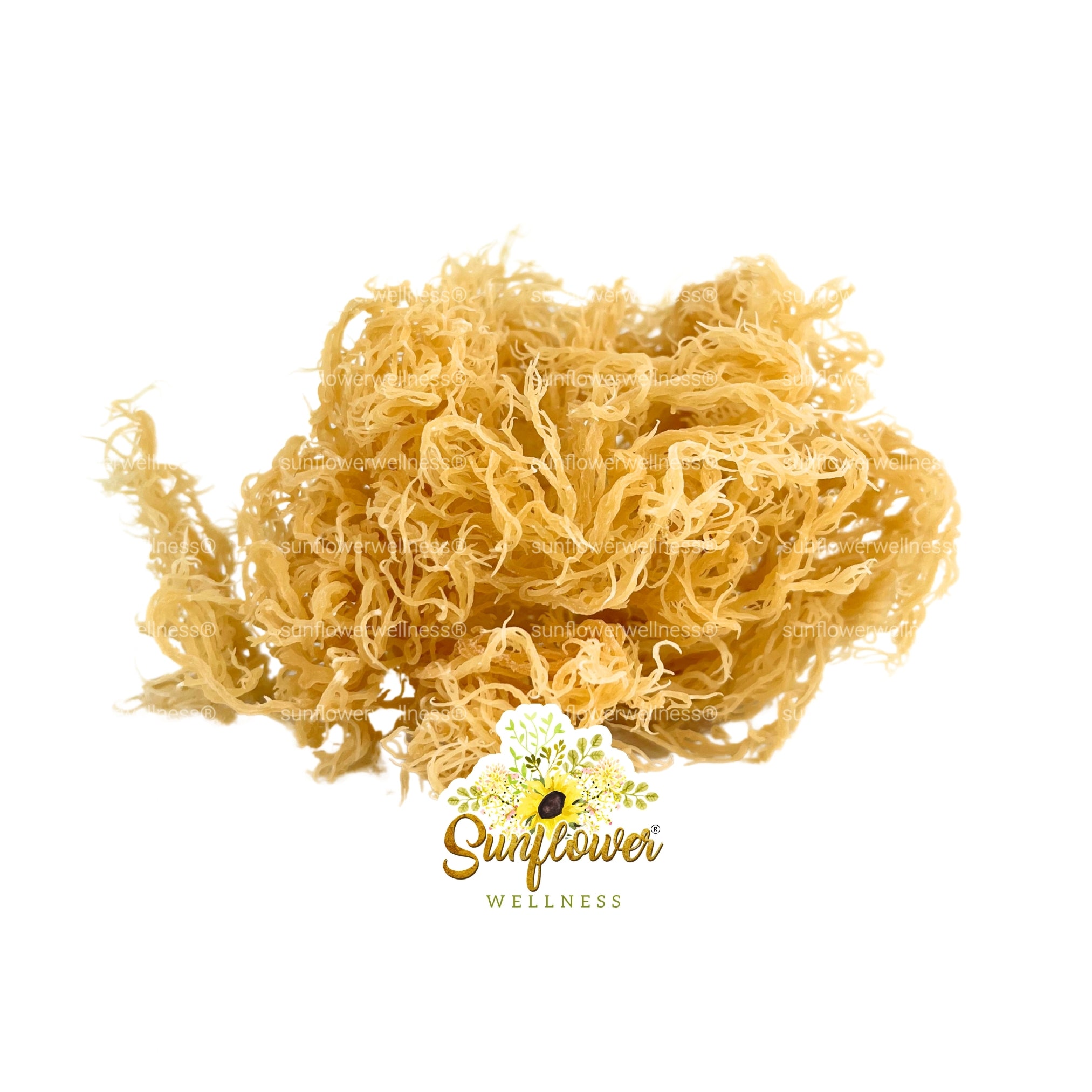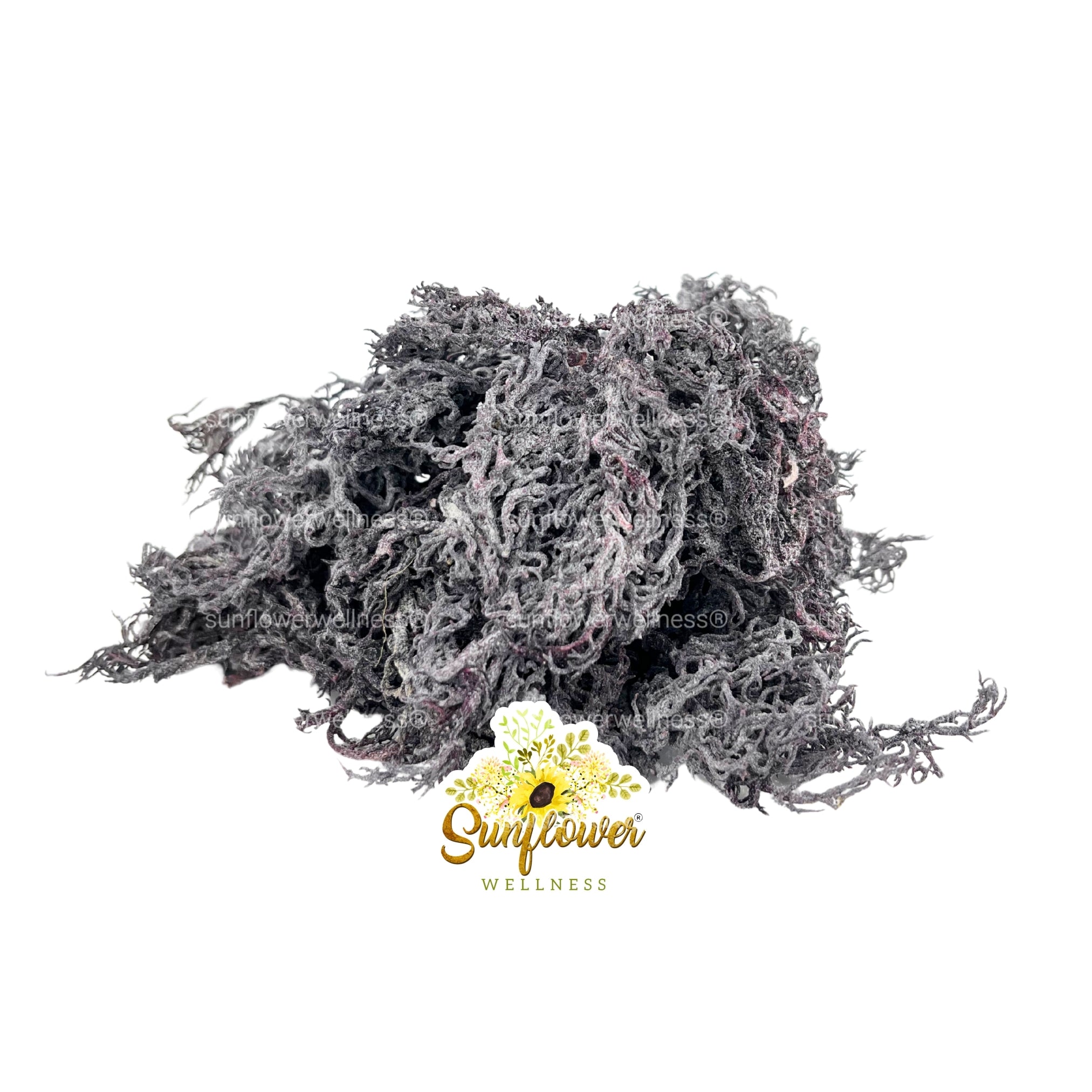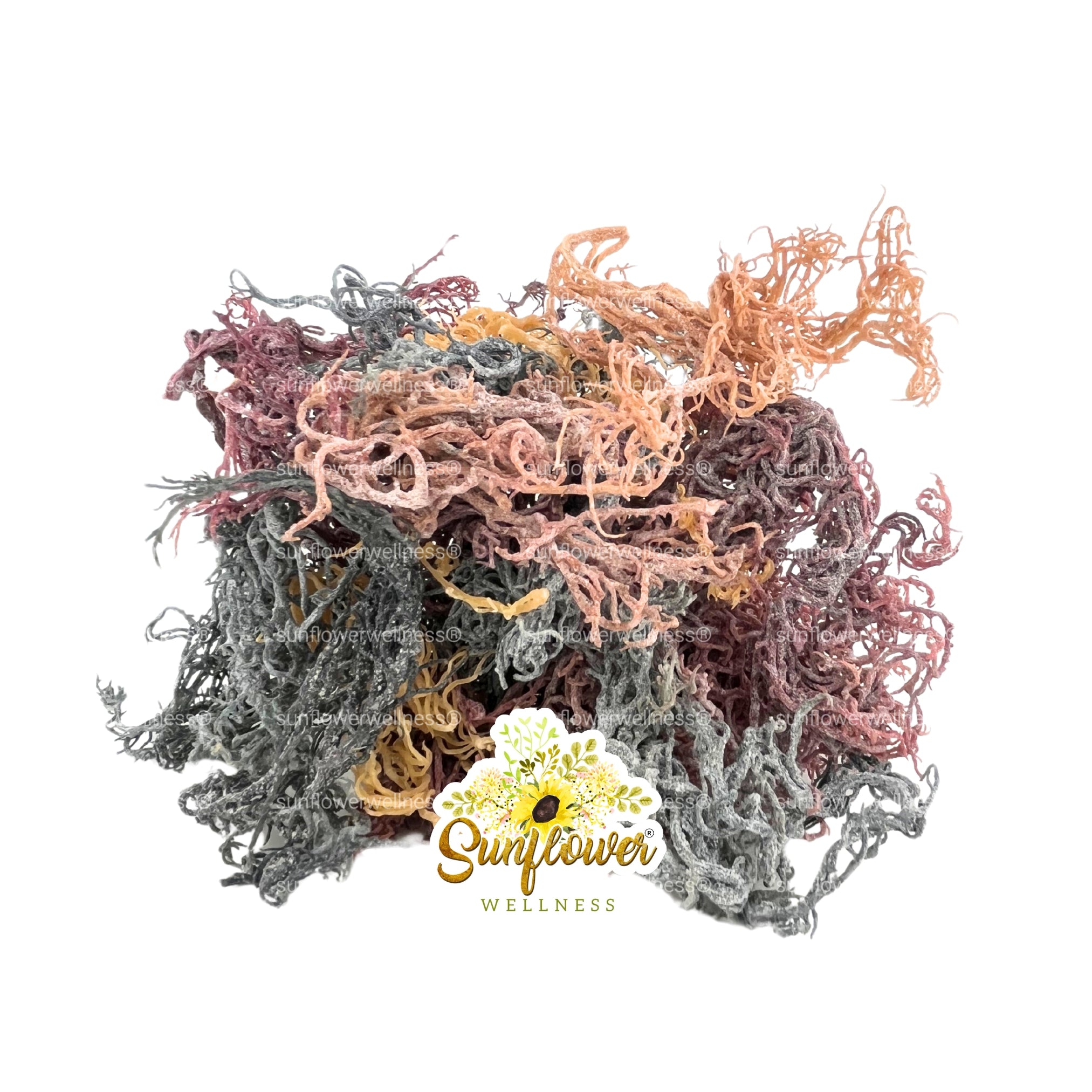

Purple and gold sea moss are two of the most popular varieties used to make sea moss gel. This guide compares two popular sea moss varieties to help readers pick what fits their kitchen and daily routine. It previews visible traits like color and taste, plus texture and mineral content. The piece frames sea moss as a nutrient-dense food, not a medical treatment.

Readers will learn how growing conditions, harvesting, and sun-drying affect final gel quality. One type often attracts attention for pigment-linked antioxidants, while the other is prized for a smoother, thicker gel that blends well in smoothies and soups.
Sourcing matters: high-quality batches are ocean-harvested, well cleaned, and naturally dried. Many shoppers look for authentic St. Lucia sea moss for its clear waters and careful handling.
The guide sets expectations and shows how mineral levels, including iodine, vary by species and region. It will help make a practical choice for daily use, recipes, and at-home gel prep.
Key Takeaways
- Compare color, taste, texture, and nutrient profile when choosing sea moss.
- Sourcing and drying methods strongly influence gel consistency.
- One variety leans toward antioxidants; the other yields smoother gel for cooking.
- Use sea moss as a food for added minerals, not a medical cure.
- St. Lucia is a frequently cited origin for quality batches.
Sea Moss Basics and Why Sourcing Matters
This edible algae is most often made into a gel because that format blends easily into everyday recipes.
What it is and why gel is common
It is a coastal algae used as a food ingredient. Home cooks and makers turn it into sea moss gel because the gel mixes smoothly into smoothies, soups, sauces, and snacks.
High-quality standards
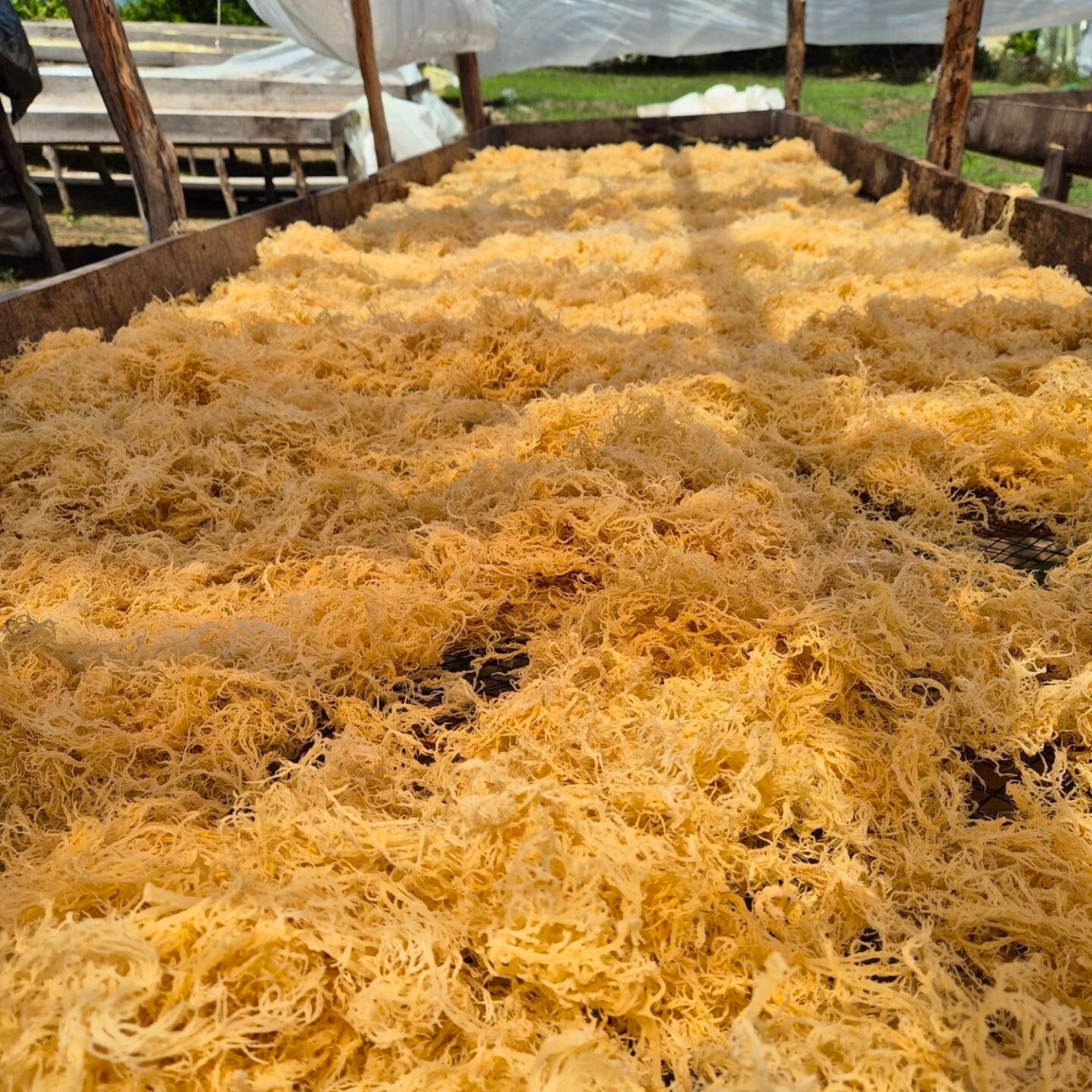
High-quality items are ocean-harvested, thoroughly rinsed, and naturally sun-dried. This approach avoids harsh processing that can add off-odors or grit.
Why St. Lucia is often sought
St. Lucia is marketed for mineral-rich waters fed by volcanic soil. The region’s cleaner marine currents and warm climate support fuller growth and a consistent product.
Harvesting, drying, and visible outcomes
Harvesting away from polluted shorelines reduces sand and salt residue. Drying choices—sun versus shade—can change final color, aroma, and how uniformly the gel sets.
"Sourcing and handling shape the final texture, color, and user experience."
- Cleaner harvests yield smoother blends.
- Sun-drying can enhance golden tones; shade can preserve darker hues.
- Batch variation still occurs; trust clear sourcing notes.
Purple vs Gold Sea Moss: Differences, Benefits, and Uses
A quick look at color and texture reveals clues about how a batch was grown and dried.
Color, growing zone, and drying
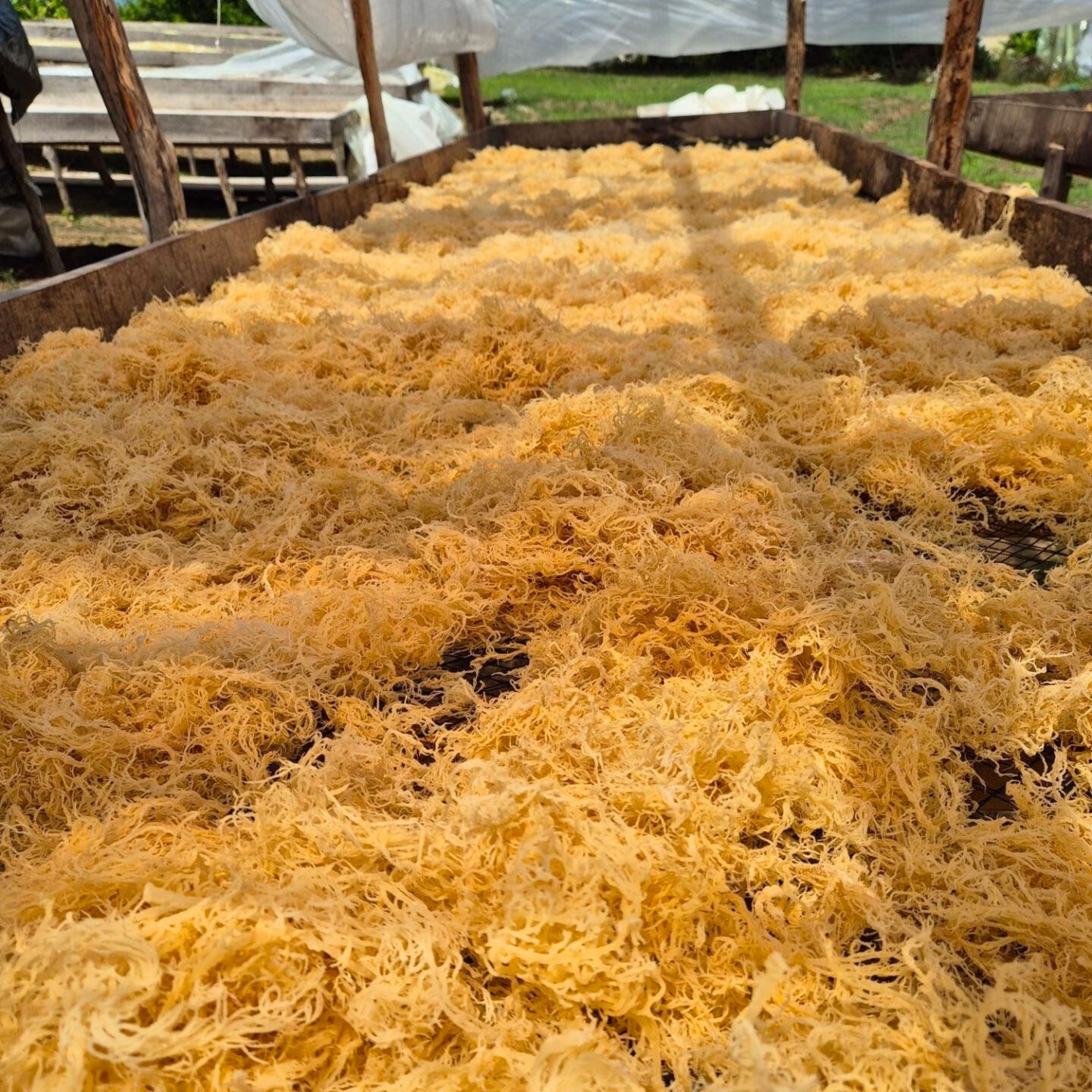
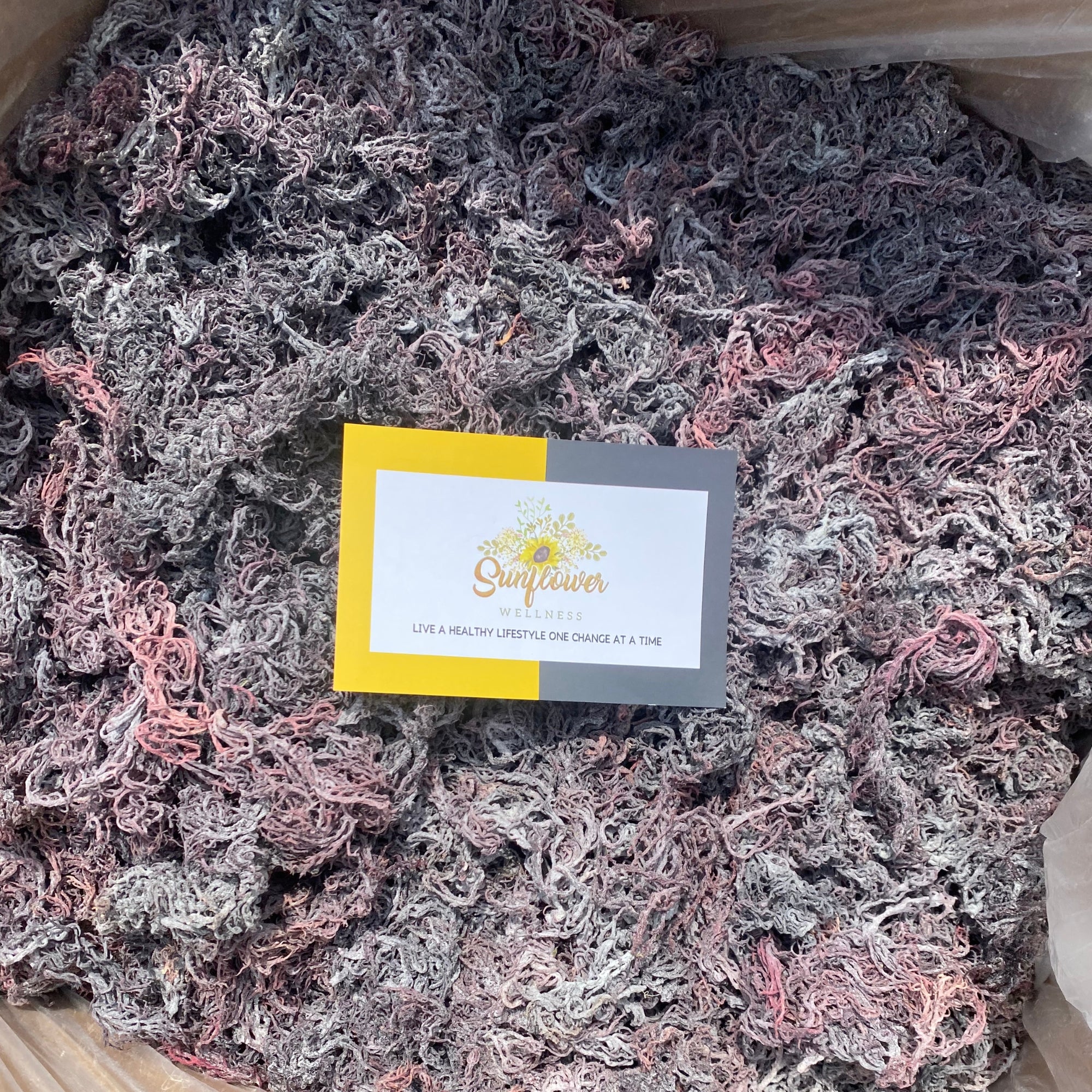
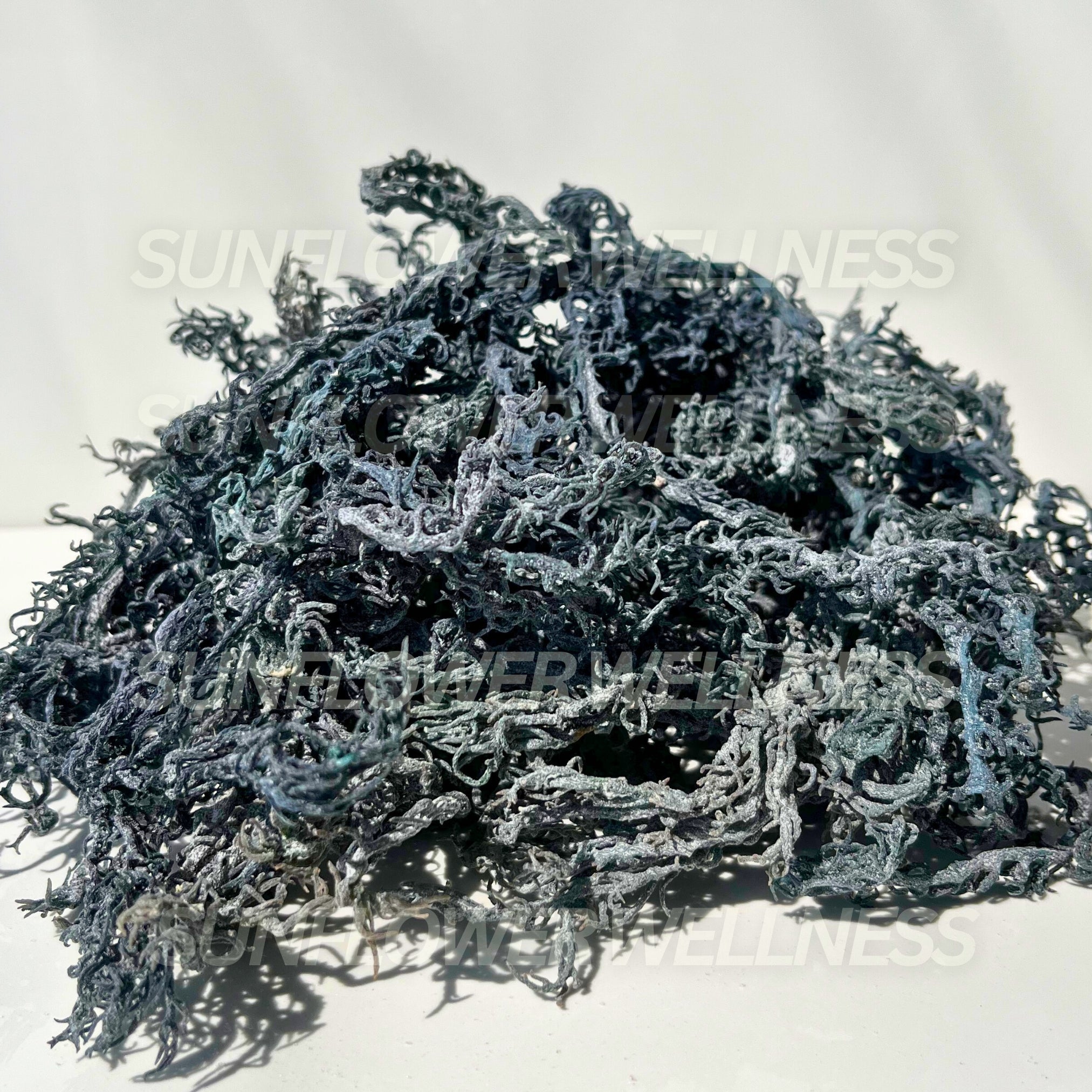
One type shows deep violet to purple-brown tones while the other ranges from pale yellow to golden tan. The first often comes from lower-light, deeper waters; the lighter type is common in shallower, sunlit zones.
Producers often shade-dry the darker variety to preserve pigments, sometimes finishing with brief sun exposure. The lighter batches are usually sun-dried to bring out a warm hue.
Taste, texture, and culinary notes
The darker strand can taste more ocean-forward. The lighter strand tends to be milder and blends easily in fruit-forward mixes.
Gel behavior: Sun-dried batches commonly yield a thicker, smoother gel. Dark-dried batches still gel well but may vary with cleaning and handling.
| Feature | purple sea moss | gold sea moss |
|---|---|---|
| Appearance | Deep violet to brown | Pale yellow to tan |
| Growing light | Lower-light/deeper | Shallower/sunnier |
| Drying | Shade/dark-dry | Sun-dry |
| Flavor intensity | More ocean-forward | Milder, neutral |
| Gel | Variable uniformity | Smoother, thicker |
- Cooking tip: choose the lighter gel for neutral recipes; the darker gel suits berry or tart blends.
- Buyer guide: beginners often prefer the milder type; experienced users may opt for the darker hue for visual and antioxidant appeal.
Nutritional Profile and Mineral Content Differences
Lab-tested content can differ widely; color hints at compounds but does not guarantee exact mineral levels.

Core minerals commonly present
Both varieties are nutrient-dense foods that can add minerals and vitamins to a balanced diet. Exact amounts vary by region, season, and processing methods.
Core minerals readers often look for include iodine (variable), magnesium, potassium, calcium, and other trace elements. These essential minerals support normal daily nutrition rather than treating conditions.
Antioxidant compounds and pigment links
The purple hue often signals pigment-linked antioxidants such as anthocyanins, similar to compounds found in berries.
While color can suggest certain antioxidants, it is not a full nutrition label. Quality, sourcing, and lab testing give a clearer picture of antioxidant and nutrient content.
Culinary thickening and carrageenan
Carrageenan is a natural gelling compound found in some red seaweeds that helps gels set and thicken recipes.
Gold-hued batches are often valued in the kitchen for producing a smoother, thicker gel that blends well into sauces, soups, and smoothies.
- Both types add minerals and vitamins as part of varied meals.
- Iodine content is variable—U.S. readers should treat it as an inconsistent value unless a lab report is available.
- Color suggests compounds but does not replace testing for true content.
"Sea moss can diversify mineral intake, but it is not a substitute for medical care."
Benefits Comparison for Everyday Wellness Support
Choosing based on flavor tolerance and routine makes it easier to keep this food in regular rotation.
Mild option for daily intake: This variety offers a gentle flavor that blends into smoothies, soups, or warm cereals. It suits beginners and picky individuals who want steady nutrient and mineral support without strong taste.
Antioxidant-forward option: The darker-hued strand brings pigment-linked antioxidants and a bolder ocean character. It works well in berry blends, tart juices, or recipes where color matters.
- Frame: Use small daily servings for consistent wellness, not quick fixes.
- Sourcing note: Clean harvesting and drying affect smell, texture, and user experience.
- Moderation: A modest intake inside a varied diet beats short-term mega-doses.
| Practical factor | Mild option | Antioxidant-forward option |
|---|---|---|
| Flavor | Neutral, easy to mask | Brisk, oceanic |
| Best recipes | Smoothies, soups | Berry blends, shots |
| User fit | Beginners, picky individuals | Those seeking antioxidants, bold color |
"Treat this product as a nutrient-rich food, not a medical therapy."
How to decide: weigh flavor tolerance, desired gel thickness, color preference, and whether an antioxidant-focused angle matters for personal needs.
Common Uses and How to Make Sea Moss Gel at Home
Home cooks can make a smooth, shelf-ready gel with a few clear steps and basic tools.
Best kitchen uses by color
Gold-hued gel works well in smoothies to add body without changing taste. It also thickens soups and sauces and suits beginner-friendly recipes that need a neutral touch.
Purple-hued gel pairs best with dark fruit blends, tart berry drinks, and short wellness shots where color and bold notes matter.
How to prepare gel at home
- Rinse thoroughly to remove grit.
- Soak in filtered water 12–24 hours until rehydrated.
- Rinse again, then blend with fresh water to desired thickness.
- Refrigerate in an airtight container to set.
Practical tips and storage
- Use filtered water to reduce odd flavors.
- Adjust water-to-moss ratio for thinner or thicker moss gel.
- Freeze portions in ice cube trays for easy dosing.
- Store in glass, refrigerated about 2–3 weeks; discard if smell or texture turns sour or mold appears.
DIY gel gives ingredient control; ready-made products offer convenience.
Conclusion
This final summary helps readers turn visual and prep cues into a simple buying plan. It highlights core contrasts: purple sea moss often shows deeper color and a bolder ocean flavor with pigment-linked antioxidants, while gold sea moss is milder and favors a smoother gel for daily blends.
Growing light and drying shape the look and feel; lower-light growth and shade drying keep darker tones, while sun exposure encourages golden hues. Nutrition varies by batch—both provide minerals, yet iodine content is inconsistent without testing.
Choose by taste, intended recipes, and sourcing quality. Prefer ocean-harvested, naturally sun-dried lots and St. Lucia origin when listed. Start small: buy a tested batch or make a home gel to judge taste and texture before larger orders.
Reminder: treat this product as a food to support a balanced diet, not a medical treatment.